Plant Village

Plant Village

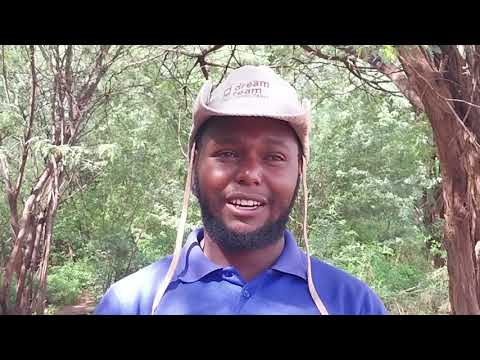
Busia, Kenya
Plant Village helps smallholder farmers adapt to & mitigate climate change by using restorative agricultural practices such as the production and use of biochar fertilizer, no-till agriculture, and cover crops. They want to empower farmers to collectively remove gigatonnes of carbon dioxide annually.
Country: Kenya
Status: Operational
Type: Biochar

Planboo

Colombo, Sri Lanka

Turn bamboo into biochar

Planboo applies biochar to soil. Planboo’s methodology sequesters carbon dioxide for upwards of a thousand years. It has the potential to reach millions of landowners in the tropics, enabling the gigatonne-scale removal of carbon dioxide.
Country: Sri Lanka
Status: Operational
Type: Biochar
Photo: chalyon021

Vlinder

Pathein, Myanmar (Burma)

Empowering the locals to restore degraded mangroves in Myanmar

The Vlinder, Myanmar Blue Carbon project helps restore degraded mangrove areas and improves the lives of vulnerable communities in the Ayeyarwady region of Myanmar. The project plans to restore over a thousand hectares of degraded land, sequestering close to 100,000 tonnes of carbon dioxide, while providing jobs in the region.
Country: Myanmar
Status: Operational
Type: Ecosystem Restoration
Mati Carbon Removals

Mati Carbon Removals

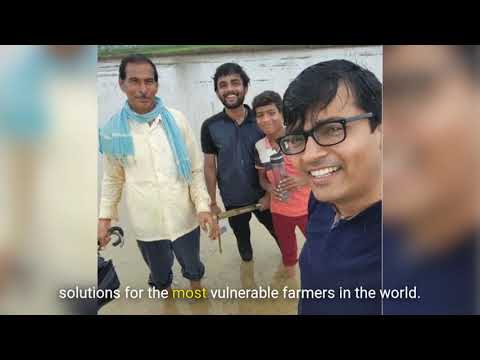
Raipur, Chhattisgarh, India
Mati removes CO2 using enhanced rock weathering (ERW) of silicate rocks. Their program uses ground basalt-based soil amendment – called “Mati,” and distributes it in rice paddy fields.
Country: India
Status: Operational
Type: Enhanced Rock Weathering
The Nakivale Biochar Project

The Nakivale Biochar Project

Nakivale Refugee Settlement, Birere, Uganda
The Nakivale biochar in partnership with C-Go, is empowering refugees in Africa’s oldest refugee camp to locally produce biochar for soil enhancement, allowing the project to receive direct carbon removal credit revenues to financially sustain itself. The methodologies it’s trialing have the potential to lock down billions of tonnes of carbon dioxide annually at scale.
Country: Uganda
Status: Operational
Type: Biochar
Octavia Carbon

Octavia Carbon

Nairobi, Kenya

Sub-Saharan Africa’s first Direct Air Capture Company.

Octavia Carbon is the Global South’s first direct air capture (DAC) company. They plan to leverage Kenya’s geothermal energy, geology, and talent to radically accelerate DAC down the cost curve and make Kenya the world’s most cost-effective hub to build and deploy DAC machines by 2025.
Country: Kenya
Status: Operational
Type: Direct Air Capture