Everest Carbon

Everest Carbon

Neemuch, Madhya Pradesh, India

Wants to remove a billion tonnes of carbon dioxide for under $100/tonne

Everest Carbon permanently removes carbon dioxide from the atmosphere via enhanced rock weathering. It is on a mission to remove one million tonnes of carbon dioxide by 2026 and plans to scale to a billion tonnes per year by 2030.
Country: India
Status: In development
Type: Enhanced Rock Weathering
Photo: chalyon021

Cquestr8

Kuala Lumpur, Malaysia

Reversing ocean acidification and storing carbon in the process

Cquestr8 plans to mineralize carbon dioxide into stable ocean bicarbonate. It has the potential to scale to gigatonnes of carbon dioxide removal annually.
Country: Malaysia
Status: In development
Type: Materials sequestration
CTRL+Z

CTRL+Z

Hyderabad, Telangana, India
CTRL+Z converts agricultural wastewater to carbon-rich graphene derivatives that are then used in water filtration. This technology could potentially sequester billions of tonnes of carbon dioxide annually.
Country: India
Status: In development
Type: Materials sequestration
Photo: chalyon021

Seaweed Generation

Jolly Harbour, Antigua and Barbuda

Sinks invasive seaweed to the bottom of the ocean, locking up carbon for hundreds of years

Seaweed generation uses robots to sink invasive seaweed into the deep ocean, locking away carbon for hundreds of years. Sinking Sargassum seaweed also helps prevent environmental disasters caused by the seaweed when it hits coasts, where it can also severely impact human health and livelihoods. It has the potential to scale to millions of tonnes of carbon removal.
Country: Antigua and Barbuda
Status: In development
Type: Algae sequestration
Seafields

Seafields

Kingstown, Saint Vincent and the Grenadines

Captures and grows seaweed for carbon-negative bio-products.

Seafields capture and grow seaweed for use as bioplastics, fertilizer, and biofuel. Any seaweed not sold to industry is shredded, baled, and sunk to the ocean floor, where the carbon it contains can remain sequestered for hundreds of years. At scale, this could remove around a billion tonnes of carbon dioxide from the atmosphere annually.
Country: Saint Vincent and the Grenadines
Status: In development
Type: Algae sequestration
Photo: chalyon021

Flux

Kisumu, Kenya

Using enhanced rock weathering to improve soil health in the Global South

Flux uses natural rock powders in the global south to improve soil health, increase farmers’ yields, and permanently sequester millions of tonnes of carbon dioxide.
Country: Kenya
Status: In development
Type: Enhanced Rock Weathering
Husk

Husk

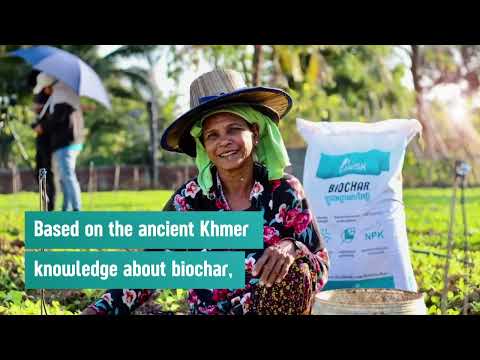
Kampong Thum, Cambodia

Uses discarced rice husks to make carbon-negative fertiliser

Husk uses rice husks to produce biochar that is used as a cheap, carbon-negative fertilizer. Its initial pilot phase plans to remove 16,000 tonnes of carbon dioxide.
Country: Cambodia
Status: In development
Type: Biochar
In-Planet

In-Planet

Bom Retiro, São Paulo - State of São Paulo, Brazil

Regenerating soils in the tropics, whilst removing carbon dioxide along the way.

In-Planet permanently removes carbon dioxide from the atmosphere via enhanced rock weathering. It aims to remove 10,000 tonnes of carbon dioxide in 2023, with a plan to scale to a gigatonne of carbon dioxide.
Country: Brazil
Status: In development
Type: Enhanced Rock Weathering
Brilliant Planet

Brilliant Planet

Akhfenir, Morocco
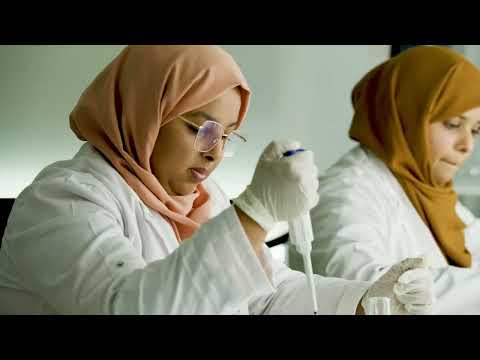
Brilliant Planet grows algae biomass, then buries it underground where the carbon can remain trapped for thousands of years. Currently operates a pilot site in Morocco and has plans to develop a demonstration site that will be able to remove one million tonnes of carbon dioxide by 2030.
Country: Morocco
Status: In development
Type: Biomass burial
44.01

44.01

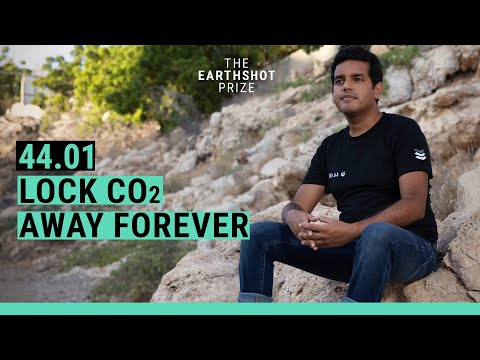
Fujairah - UAE

Injecting carbonated water into underground rocks

44.01 mineralizes carbon dioxide in peridotite rocks by pumping carbonated water into seams of peridotite deep underground. Its first project will mineralize 1,000 tonnes of locally captured carbon dioxide annually until 2024, with plans to scale up its technology to millions of tonnes.
Country: UAE
Status: In development
Type: Sub-Surface Mineralization